Showing posts with label indian english literature. Show all posts

Monday, October 18, 2010

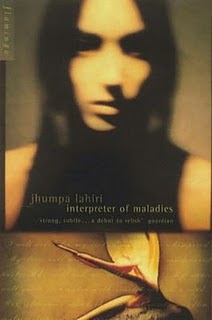
Interpreter Of Maladies: Stories


Jhumpa Lahiri's Interpreter Of Maladies: Stories can be considered as a piece of diasporic writing. This short story collection includes the stories about the lives of immigrant Indians who struggle to adjust between the Indian traditions that they left behind and the entirely different western world that they have to encounter every day. Being born as the daughter of Bengali parents in London; homeland for the author is only an imaginary place. Interpreter Of Maladies: Stories is her first published short story collection and had won Pulitzer Prize for fiction in the year 2000.

The stories " A Temporary Matter", " When Mr.Pirzada Came To Dine", " Mrs. Sen's", "The Blessed House", "Sexy" and " The Third And Final Continent" deal with the sense of alienation that an emigrant Indian feels in a foreign country.


In " A Temporary Matter" a young couple exchange confessions after a long silence to cope with the failure in their marriage. " When Mr.Pirzada Came To Dine," narrates the cultural unanimity between an Indian family and Pakistani young man in a foreign country. "The Blessed House" is the story that shows the adjustment of young emigrant Indians to a new culture and beliefs.

Mrs. Sen's" explores the life of an emigrant Indian life through the European point of view. " The Third And Final Continent" shows the hegemonic control still exercised by the European people over the third world people. "Sexy" is the story that shows the falling marital relationship among young emigrant Indians. The story shows the extra marital relationship between an Indian and a western woman as well as her feelings to valuable relationships.

The title story " Interpreter of maladies" stands exceptional among all other stories. The story powerfully narrates the fascination of the third world people to the European life. The protagonist Mr.kapasi is an interpreter and " English is the only non-Indian language he spoke fluently..." (P.52). The story shows how the everyday language of a common Indian becomes a western language. " Interpreter of maladies" is an open confession of immigrant Indians, who have to shut their dilemmas and nostalgic feelings at a foreign culture.

Interpreter Of Maladies: Stories falls under the category of post-colonial Indian English fiction. The stories deal with the nostalgia for homeland that emerges chaotic and even harsh at some times. The narrative is simple and poetic. The use of symbols and images has been merged with the theme of the stories. The stories will grasp the whole attention of the reader till the end and will leave thoughtful impressions in their minds. This short story collection will be a valuable addition to your library and you can go back to explore the contemporary Indian culture.

Reference
Lahiri, Jhumpa. Interpreter Of Maladies: Stories. New Delhi, Harper Collins Publishers Pvt ltd, 1999.

Tuesday, October 12, 2010

Three And A Half Seconds To Ponder On Life!

I really cant explain what I really felt after reading the story ‘Three and a half seconds’ in Indu Sundaresan’s short story collection In The Convent Of Little Flowers. Was it fear, sadness, helplessness shock or mere numbness?

The story unfolds through the thoughts of Meha at the end of her life. Born in a peasant family somewhere in the western parts of India, Meha had an earlier life of family chores and fielding. She enjoyed a happy married life with her loving husband Chandar till the unseen hands of nature decided to test them.

When the rains fell, Meha and Chandar leave their village with their little son Bikaner to the unknown city Mumbai. They start up their life in the footpaths of Mumbai. Slowly Chandar gets a job as a security guard at the Agricultural bank and Meha becomes the maidservant for houses. Even in these hardships they decides to put up their son in the school. Meha and Bikaner learns the lessons together in the light of streetlights.


Slowly Meha and Chandar get adapted to the course of Mumbai life. They buy a small apartment in the sixteenth floor of a flat and begin a happy family life there. Things go fine till Bikaner joins the Agricultural Bank as a clerk. Right from the childhood Bikaner was a violent boy who never hesitated to attack the weaker ones. He gets married to his colleague and starts tormenting his parents.

The ultimate blow comes on the day that Chandar retires from his work. Bikaner accuses Chandar for his lack of promotion due to a security father. Bikaner snatches away the golden wristwatch from Chandar and beats him. The beatings continue and Meha and Chandar forced to move to the balcony for living. Then one day, Bikaner forcefully signs in the rights of the flat from Chandar and on that day the couple decide to commit suicide.

The story ends at the point when Meha helps Chandar to leap from the sixteenth floor balcony and she follows him. The only feeling that she had at that time is an intense feeling for freedom.

The beauty in this story narration is that the whole life of Meha passes through her mind in a three and a half second. This reflection of one’s own life at the deathbed is too much in connotation with the Hindu beliefs. The first half-second describes gives introduction to Meha’s life, first second is about Bikaner’s character, the second second is about Meha’s life in Mumbai and the last second is about their hardships at the hands of Bikaner.

The story gives a real glimpse on how the old parents are tormented at the hands of insensitive modern generation. As the modern generation speed after the money and status, too many traditional values, loving moments and emotional feelings are churned under their speedy wheel. This story is an eye opener for the young couples in India. Always remember that the story of a child who kept his late grandfather’s dirty feeding pots for his parents is not a story after all…

Friday, August 20, 2010

Review of Interpreter Of Maladies: Stories


Jhumpa Lahiri's Interpreter Of Maladies: Stories can be considered as a piece of diasporic writing. This short story collection includes the stories about the lives of immigrant Indians who struggle to adjust between the Indian traditions that they left behind and the entirely different western world that they have to encounter every day. Being born as the daughter of Bengali parents in London; homeland for the author is only an imaginary place. Interpreter Of Maladies: Stories is her first published short story collection and had won Pulitzer Prize for fiction in the year 2000.

The stories " A Temporary Matter", " When Mr.Pirzada Came To Dine", " Mrs. Sen's", "The Blessed House", "Sexy" and " The Third And Final Continent" deal with the sense of alienation that an emigrant Indian feels in a foreign country.

In " A Temporary Matter" a young couple exchange confessions after a long silence to cope with the failure in their marriage. " When Mr.Pirzada Came To Dine," narrates the cultural unanimity between an Indian family and Pakistani young man in a foreign country. "The Blessed House" is the story that shows the adjustment of young emigrant Indians to a new culture and beliefs.


Mrs. Sen's" explores the life of an emigrant Indian life through the European point of view. " The Third And Final Continent" shows the hegemonic control still exercised by the European people over the third world people. "Sexy" is the story that shows the falling marital relationship among young emigrant Indians. The story shows the extra marital relationship between an Indian and a western woman as well as her feelings to valuable relationships.

The title story " Interpreter of maladies" stands exceptional among all other stories. The story powerfully narrates the fascination of the third world people to the European life. The protagonist Mr.kapasi is an interpreter and " English is the only non-Indian language he spoke fluently..." (P.52). The story shows how the everyday language of a common Indian becomes a western language. " Interpreter of maladies" is an open confession of immigrant Indians, who have to shut their dilemmas and nostalgic feelings at a foreign culture.

Interpreter Of Maladies: Stories falls under the category of post-colonial Indian English fiction. The stories deal with the nostalgia for homeland that emerges chaotic and even harsh at some times. The narrative is simple and poetic. The use of symbols and images has been merged with the theme of the stories. The stories will grasp the whole attention of the reader till the end and will leave thoughtful impressions in their minds. This short story collection will be a valuable addition to your library and you can go back to explore the contemporary Indian culture.

Reference
Lahiri, Jhumpa. Interpreter Of Maladies: Stories. New Delhi, Harper Collins Publishers Pvt ltd, 1999.